How South African Fleets Can Cut Fuel Costs by 25%
Fuel eats 30–40% of operating costs for logistics, mining, agriculture, and food transport fleets. Here's where that money actually goes — and how to get it back.
Practical, no-fluff guidance for fleet managers and operations leaders across South Africa and Africa.
The Rising Cost of Fuel in South Africa
Fuel prices in South Africa have surged on the back of global oil volatility, currency fluctuations, and local levies. For fleet operators in logistics, mining, agriculture, and food transport, fuel often accounts for 30–40% of operating costs. Cutting fuel expenses isn't just about saving money — it's about staying competitive in margins that keep getting thinner.
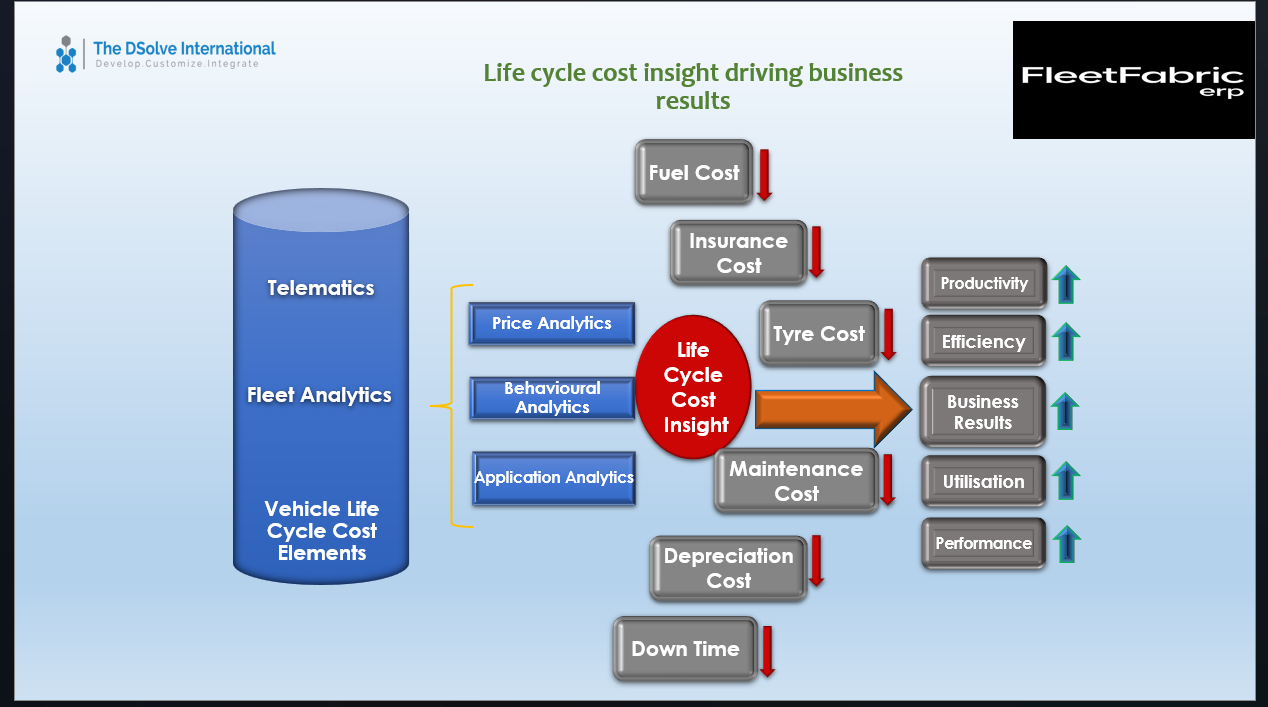
FleetFabric©'s fuel management and fleet optimisation tools help South African businesses reduce fuel costs by up to 25%, while improving accountability and compliance with governance standards.
The Key Challenges Facing South African Fleets
Before you can cut fuel costs, it helps to see exactly where the money is leaking. These five issues account for most of the waste we see across SA fleets:
| Challenge | Impact on Costs | Common Causes |
|---|---|---|
| Fuel Theft & Fraud | Loss of 10–15% of monthly fuel spend | Syndicates, insider theft, unauthorised refuelling |
| Driver Behaviour | 5–10% higher fuel consumption | Idling, speeding, harsh acceleration |
| Inefficient Routing | Extra kilometres = wasted fuel | Poor planning, traffic congestion, unsafe detours |
| Maintenance Neglect | 10–15% more fuel usage | Worn tyres, dirty filters, overdue servicing |
| Rising Fuel Prices | Budget unpredictability | Monthly fuel price adjustments in SA |
That maintenance-related loss is bigger than most fleet managers assume — our guide on using fleet data to predict breakdowns covers how catching wear early prevents it from quietly inflating your fuel bill.
Proven Strategies to Cut Fuel Costs
Each of the challenges above has a direct, measurable countermeasure. Here's how FleetFabric© addresses each one, and the savings you can realistically expect:
| Strategy | How FleetFabric© Helps | Estimated Savings |
|---|---|---|
| Real-Time Fuel Monitoring | Tracks every litre pumped, detects anomalies, prevents fraud | 10–15% |
| Route Optimisation | AI-driven planning avoids congestion & high-risk zones | 5–7% |
| Driver Accountability | Telematics monitor speeding, idling, harsh braking | 3–5% |
| Predictive Maintenance | Ensures timely servicing, reduces fuel-hungry breakdowns | 5–10% |
| Data Analytics | Compare vehicles, drivers, routes for efficiency | 2–3% |
📌 The Short Version
No single fix gets you to 25% — it's the combination that compounds. Real-time fuel monitoring closes the biggest leak (theft), while maintenance planning and scheduling and driver accountability handle the rest. See how AI revolutionizes fleet maintenance in South Africa for the technology behind these numbers.
Putting the strategies into practice
Start with fuel monitoring, not routing
Theft and fraud are usually the biggest single leak — close that gap first before optimising anything else.
Use fleet tracking data to flag driver patterns, not just individuals
Idling and harsh braking trends across a depot point to training gaps, not just one bad driver.
Treat maintenance as a fuel-cost lever, not just a reliability one
Worn tyres and dirty filters quietly add 10–15% to fuel usage long before they cause a breakdown.
Review fleet data analytics monthly, not annually
Comparing vehicles and routes on a regular cadence catches drift before it becomes a budget problem.
For the broader cost picture beyond fuel, see our guides on fleet budget management and job costing for fleet businesses.
Governance & Compliance Benefits
Fuel accountability isn't just an operational concern — it's a governance one. Boards and executives are increasingly expected to show audit-ready fuel and cost data, not just year-end totals.
| Governance Principle (King V) | FleetFabric© Alignment |
|---|---|
| Accountability | Audit-ready fuel reports, generated automatically rather than compiled manually |
| Transparency | Real-time dashboards for boards and executives |
| Ethical Leadership | Prevents fraud, enforces driver responsibility |
| Compliance | Supports alignment with SANRAL and Department of Transport regulations |
Note: South Africa's governance code was updated to King V by the IoDSA in late 2025, superseding King IV — FleetFabric©'s reporting is built to align with the current standard. This same audit trail also supports asset register best practices and feeds directly into fleet accounting.
💡 Fuel Data Is Governance Data
A fleet that can produce an audit-ready fuel report in minutes, not weeks, isn't just saving money — it's demonstrating exactly the kind of accountability and transparency modern governance codes expect.
Frequently Asked Questions
How much of a fleet's operating cost is fuel in South Africa?
For logistics, mining, agriculture, and food transport fleets, fuel typically accounts for 30–40% of total operating costs, making it one of the largest controllable expenses in the business.
What is the biggest cause of fuel loss in South African fleets?
Fuel theft and fraud is typically the single largest loss, accounting for 10–15% of monthly fuel spend through syndicates, insider theft, and unauthorised refuelling.
Can predictive maintenance really reduce fuel consumption?
Yes — worn tyres, dirty filters, and overdue servicing can increase fuel usage by 10–15%. Keeping vehicles serviced on schedule is one of the more overlooked ways to cut fuel costs.
Conclusion & Call to Action
Fuel costs are one of the biggest threats to fleet profitability in South Africa. By combining real-time monitoring, route optimisation, driver accountability, and predictive maintenance, FleetFabric© empowers businesses to cut fuel costs by up to 25% while strengthening governance and compliance.
Ready to slash your fuel bill? Contact FleetFabric© today and take control of your fleet's fuel efficiency.
Keep reading:
→ 10 Fleet Management Tips That Actually Cut Costs in South Africa
→ Using Fleet Data to Predict Breakdowns
→ Fleet Budget Management Guide
Related Articles
10 Fleet Management Tips That Actually Cut Costs in South Africa
The broader cost-reduction playbook beyond fuel alone.
Read Article →How AI Revolutionizes Fleet Maintenance in South Africa
The predictive technology behind these fuel savings.
Read Article →Using Fleet Data to Predict Breakdowns
How catching wear early keeps fuel consumption down too.
Read Article →Job Costing for Fleet Businesses
Tracing fuel and maintenance costs back to specific jobs.
Read Article →Asset Register Best Practices
Keeping audit-ready records that satisfy governance codes.
Read Article →Ready to Cut Your Fleet's Fuel Bill by 25%?
See how FleetFabric© combines real-time fuel monitoring, route optimisation, and predictive maintenance into one governance-ready platform.